Our about page explains why we focus on seniors, how we structure our work, and what
principles guide our daily decisions when we support older adults across Canada.
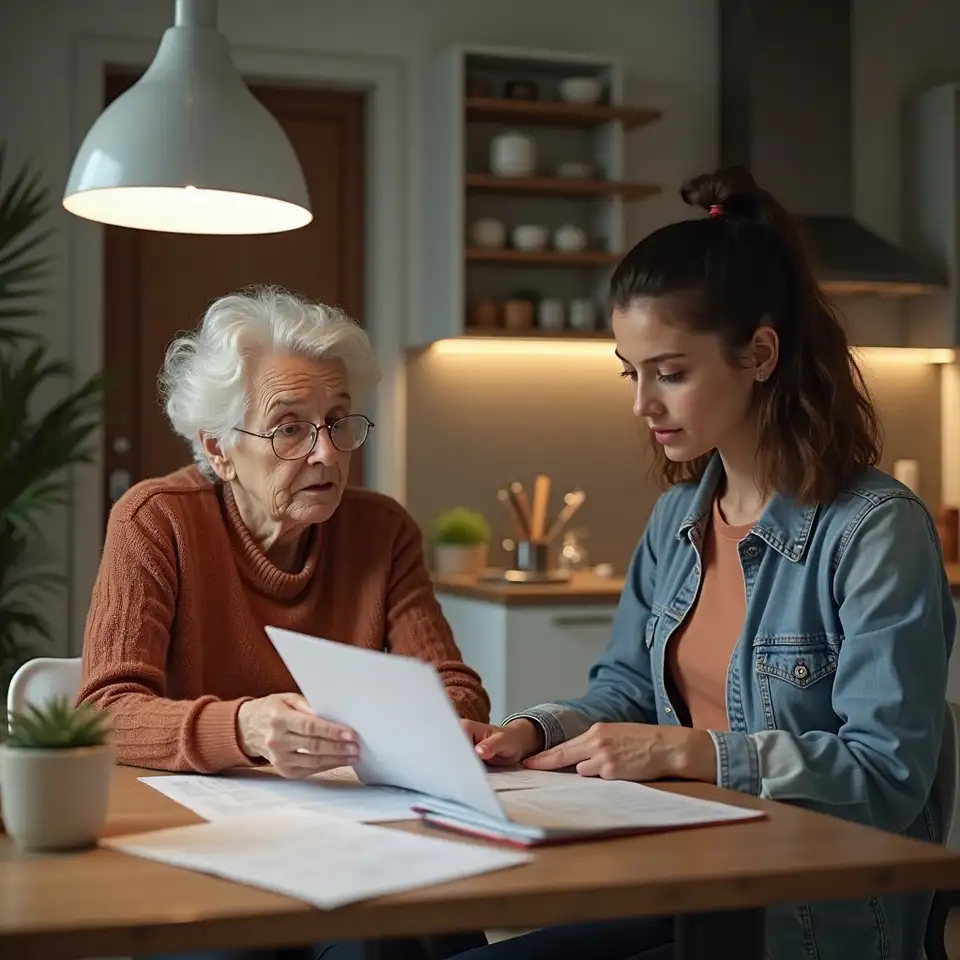
We started Mossivarelo after hearing the same story from many directions: seniors,
neighbours, health workers, and local volunteers all described the social support system
as a maze. People knew help existed but felt worn down trying to reach it. We saw
capable older adults skipping benefits, delaying home support, or avoiding paperwork
because the process cost more energy than they had to spare. We built our service to
stand in that gap and turn scattered information into a clear, stepwise path.
Over time we developed internal methods that we now use across all cases. Our Simple
Needs Scan keeps the first conversation focused and respectful. Our Three Step Clarity
Path guides how we move from group sessions to individual follow‑up. Our Playbook for
Senior Support captures patterns we see repeatedly, from housing challenges in cities to
transport gaps in smaller communities. These tools are not theory; they come from real
conversations with seniors and caregivers managing day‑to‑day life.
We operate with a steady, realistic mindset. We explain options, outline likely
timelines, and highlight points where seniors or families will need to make choices. We
also state where our role ends, such as clinical treatment decisions, which remain with
health professionals. When we share examples of positive outcomes, we always note that
results may vary because each person’s health, income, and support network is different.
This honesty helps families plan with clear eyes and reduces later disappointment.
Our team brings together people with backgrounds in social work, community coordination,
public administration, and frontline support roles. Many have spent years in community
agencies or health related settings, helping older adults navigate forms, appointments,
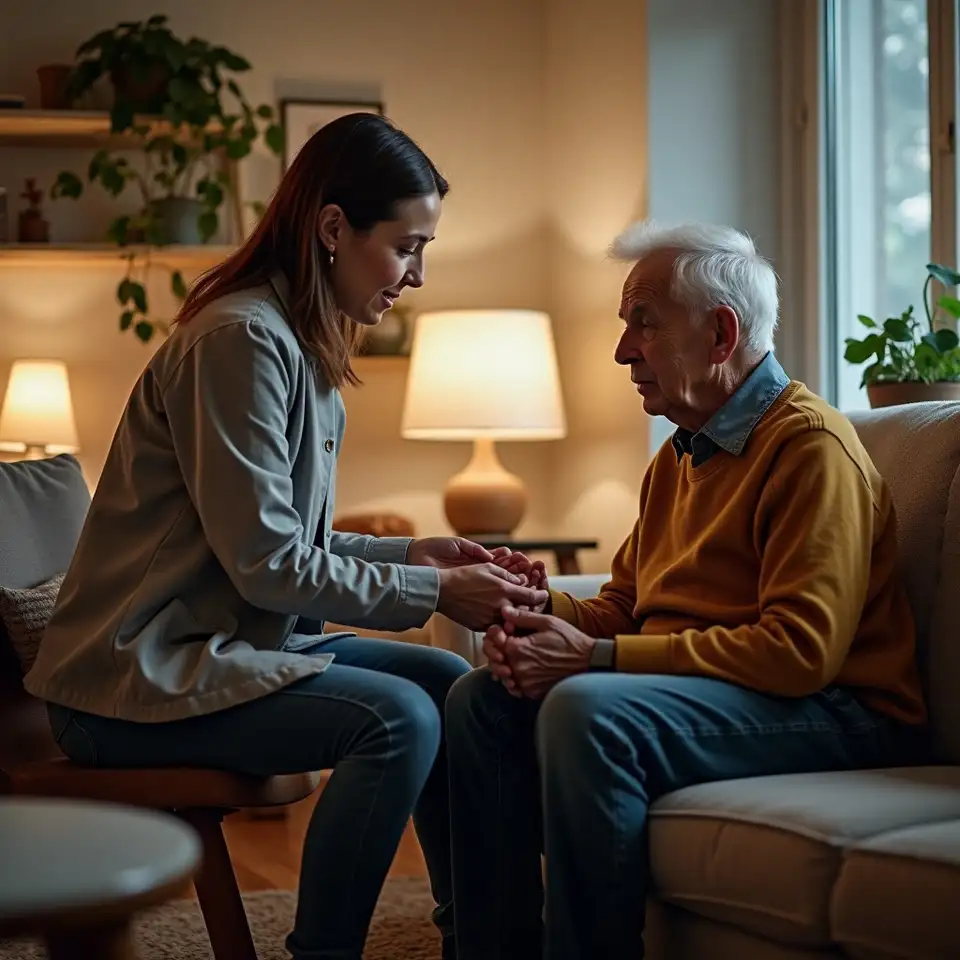
and transitions. That experience shapes how we listen and how we speak. We avoid jargon,
define every key term, and repeat important details in writing so seniors and caregivers
can revisit information when they feel rested and ready.